
Cement Standards Every Construction Engineer Should Follow
07.04.2026
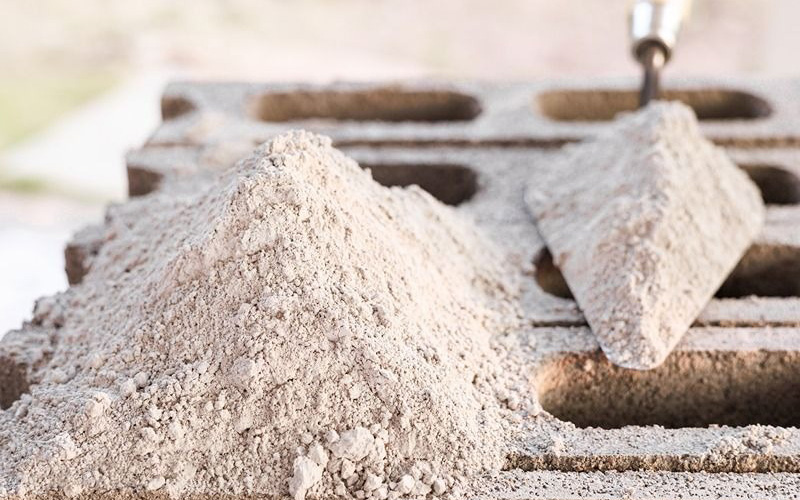
In construction engineering, safety, durability, and performance depend heavily on the quality and consistency of materials. Among these materials, cement plays a central role as the primary binding component in concrete. To ensure that cement performs reliably across different applications, a set of well-defined standards has been established at both national and international levels. These cement standards provide engineers with clear guidelines for selection, testing, and application, making them essential for every construction project.
Following cement standards is not just about compliance—it is about ensuring structural integrity, minimizing risks, and delivering long-lasting results. Engineers who understand and apply these standards can achieve consistent quality, reduce construction defects, and improve overall project performance.
Strength Classification Standards
Cement standards define strength classifications based on compressive strength results obtained from laboratory testing. These classifications help engineers select the appropriate cement for specific structural requirements.
Using high-quality cement that meets strength standards ensures that concrete achieves the required load-bearing capacity. This is essential for maintaining structural safety and reliability.
Setting Time Requirements
Standards specify acceptable ranges for initial and final setting times to ensure proper workability and construction efficiency. Cement must remain workable long enough for placement while hardening at a controlled rate.
Adhering to setting time standards prevents issues such as premature hardening or delayed construction processes. This helps maintain both quality and safety on site.
Fineness and Particle Size Control
Cement fineness affects hydration rate, strength development, and workability. Standards define acceptable fineness levels to ensure consistent performance.
Proper fineness contributes to uniform concrete behavior, reducing the risk of defects and improving overall structural performance.
Chemical Composition Limits
Cement standards include limits for chemical compounds that influence performance, such as lime, silica, and alumina content. These limits ensure predictable hydration and durability.
Maintaining proper chemical composition reduces the risk of harmful reactions that could weaken concrete over time. This is critical for long-term structural safety.
Soundness and Volume Stability
Soundness refers to the ability of cement to maintain its volume after setting without excessive expansion. Standards require testing to ensure volume stability.
Unsound cement can lead to cracking and structural damage. Following soundness standards helps prevent these issues and ensures long-term durability.
Consistency and Water Demand
Standards define the amount of water required to achieve a standard cement paste. This consistency is important for maintaining uniform mix design and performance.
Accurate water demand ensures proper hydration and reduces the risk of weak or overly porous concrete, which can compromise structural integrity.
Durability and Environmental Resistance
Cement standards address durability by ensuring resistance to environmental factors such as moisture, chemicals, and temperature changes. This is essential for structures exposed to harsh conditions.
Using cement that meets durability standards helps protect structures from long-term deterioration and ensures safe performance over time.
Testing and Certification Requirements
Standards require regular testing and certification to verify cement quality. These tests include strength, setting time, fineness, and chemical analysis.
Certification provides assurance that cement meets required specifications. This helps engineers maintain quality control and comply with project requirements.
Storage and Handling Guidelines
Cement standards often include recommendations for proper storage and handling to preserve material quality. Exposure to moisture or contamination can degrade cement performance.
Following these guidelines ensures that cement retains its properties from delivery to application, reducing the risk of defects.
Compatibility With Mix Design and Admixtures
Modern construction often involves complex mix designs and the use of admixtures. Cement standards ensure compatibility with these materials.
Proper compatibility prevents unexpected reactions and ensures that concrete achieves the desired performance characteristics.
Compliance With International and Local Codes
Construction engineers must follow both international standards and local regulations. These codes ensure that cement used in projects meets safety and performance requirements.
Compliance reduces legal risks and ensures that structures meet accepted engineering practices. It also enhances trust among stakeholders.
Conclusion: Standards as a Guide for Safe Construction
Cement standards provide a comprehensive framework for ensuring quality, consistency, and safety in construction projects. They guide engineers in selecting, testing, and applying cement effectively.
By following these standards, construction professionals can reduce risks, improve performance, and deliver durable structures. Cement standards are not just technical requirements—they are essential tools for achieving safe and successful construction outcomes.