
How Cement Properties Affect Structural Crack Resistance
17.03.2026
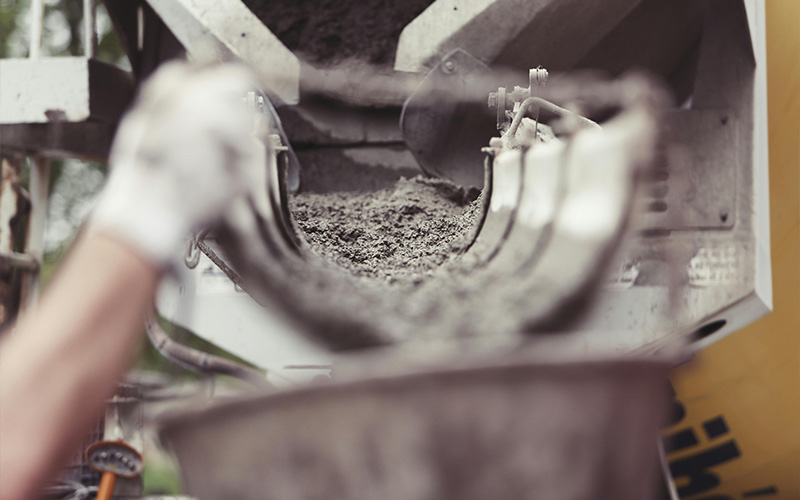
Crack resistance is one of the most critical factors in ensuring the longevity and safety of concrete structures. Cracks not only affect the appearance of a building but also compromise its structural integrity by allowing water, air, and harmful substances to penetrate the concrete. Over time, this can lead to corrosion of reinforcement, loss of strength, and expensive maintenance. One of the key elements influencing crack resistance is the quality and properties of cement used in the concrete mix.
Cement is the binding material that forms the backbone of concrete, and its physical and chemical properties directly affect how concrete behaves under stress, temperature changes, and environmental exposure. Understanding how cement properties influence crack formation helps engineers and builders design more durable and reliable structures. In this article, we will explore the major cement properties that impact structural crack resistance and why they are essential in modern construction.
Compressive Strength and Crack Formation
Compressive strength is one of the most important properties of cement and plays a direct role in crack resistance. High-strength cement produces concrete that can better withstand applied loads without developing internal stresses that lead to cracking.
When cement strength is insufficient, the concrete may not تحمل stress effectively, leading to early crack formation. Stronger cement helps distribute loads more evenly, reducing localized stress concentrations that cause cracks.
Fineness and Hydration Rate
Fineness refers to the size of cement particles and affects how quickly cement reacts with water. Finer cement particles increase the rate of hydration, leading to faster strength development. This can improve early crack resistance, especially in structures that require rapid strength gain.
However, excessive fineness can increase heat generation and shrinkage, which may contribute to cracking. Therefore, achieving the right balance in fineness is essential for minimizing crack risk.
Heat of Hydration and Thermal Cracking
During the hydration process, cement releases heat, which can cause temperature differences within the concrete. If these temperature variations are significant, they can lead to thermal stresses and cracking.
High-quality cement with controlled heat of hydration helps reduce temperature fluctuations and minimizes the risk of thermal cracks. This is particularly important in large concrete elements such as foundations and thick slabs.
Shrinkage Properties and Volume Changes
Shrinkage is a natural process that occurs as concrete loses moisture over time. Cement properties significantly influence the extent of shrinkage and the likelihood of cracking. High-quality cement reduces shrinkage by maintaining a stable internal structure.
Excessive shrinkage can create tensile stresses that exceed the concrete’s capacity, leading to cracks. Proper cement selection helps control these volume changes and improves crack resistance.
Water-Cement Ratio and Porosity
The water-cement ratio has a major impact on the porosity and strength of concrete. A lower water-cement ratio results in denser concrete with fewer voids, which enhances crack resistance. High-quality cement allows for better workability even at lower water levels.
Excess water increases porosity and weakens the cement paste, making it more susceptible to cracking. Controlling the water-cement ratio is essential for achieving durable and crack-resistant structures.
Bonding Strength with Aggregates
The bonding ability of cement with aggregates is crucial for maintaining structural integrity. Strong bonding ensures that the concrete behaves as a single وحدة متماسكة, reducing the likelihood of cracks under load.
Weak bonding caused by poor cement quality can lead to separation between components, creating internal weaknesses. These weak points are more prone to cracking when subjected to stress.
Durability and Resistance to Environmental Stress
Cement properties also determine how well concrete مقاومة environmental factors such as moisture, temperature changes, and chemical exposure. High-quality cement improves durability, which in turn reduces the risk of cracking over time.
Environmental stresses can cause expansion, contraction, and chemical reactions within the concrete. Durable cement helps minimize these effects, maintaining structural stability.
Setting Time and Early Crack Prevention
The setting time of cement influences how the concrete hardens and gains strength. Proper setting time allows for adequate placement and compaction, ensuring a uniform structure that resists cracking.
If cement sets too quickly, it may not be properly compacted, leading to weak نقاط داخل the concrete. If it sets too slowly, it can delay strength development and increase the risk of early-age cracking.
Quality Consistency and Manufacturing Standards
Consistency in cement quality is essential for predictable performance. High-quality cement produced under strict manufacturing standards ensures uniform properties across batches, reducing variability in concrete behavior.
Inconsistent cement can lead to uneven strength and shrinkage, increasing the likelihood of cracks. Reliable manufacturing processes are key to achieving consistent crack resistance.
Conclusion
The properties of cement play a fundamental role in determining the crack resistance of concrete structures. From strength and fineness to shrinkage and heat of hydration, each property influences how concrete responds to stress and environmental conditions.
By selecting high-quality cement and controlling key factors such as water-cement ratio and curing conditions, construction professionals can significantly reduce the risk of cracking. This leads to more durable, reliable, and long-lasting structures that perform well under a wide range of conditions.